
Want to Live Longer? The History Behind the Blue Zones Diet
We all ask the same questions as we age: How do I live healthier longer? What should I be eating? Does food really make a difference, or is it all predetermined by our DNA? Unfortunately, crystal balls are more magic than reality.
The short answer is a smorgasbord of truths, with lifestyle playing the role we can influence most. One of the most fascinating clues comes from the Blue Zones, regions where people have long been known for their exceptional longevity. Scientists have studied what these populations eat and how they live to understand what might help people reach 100 and beyond.
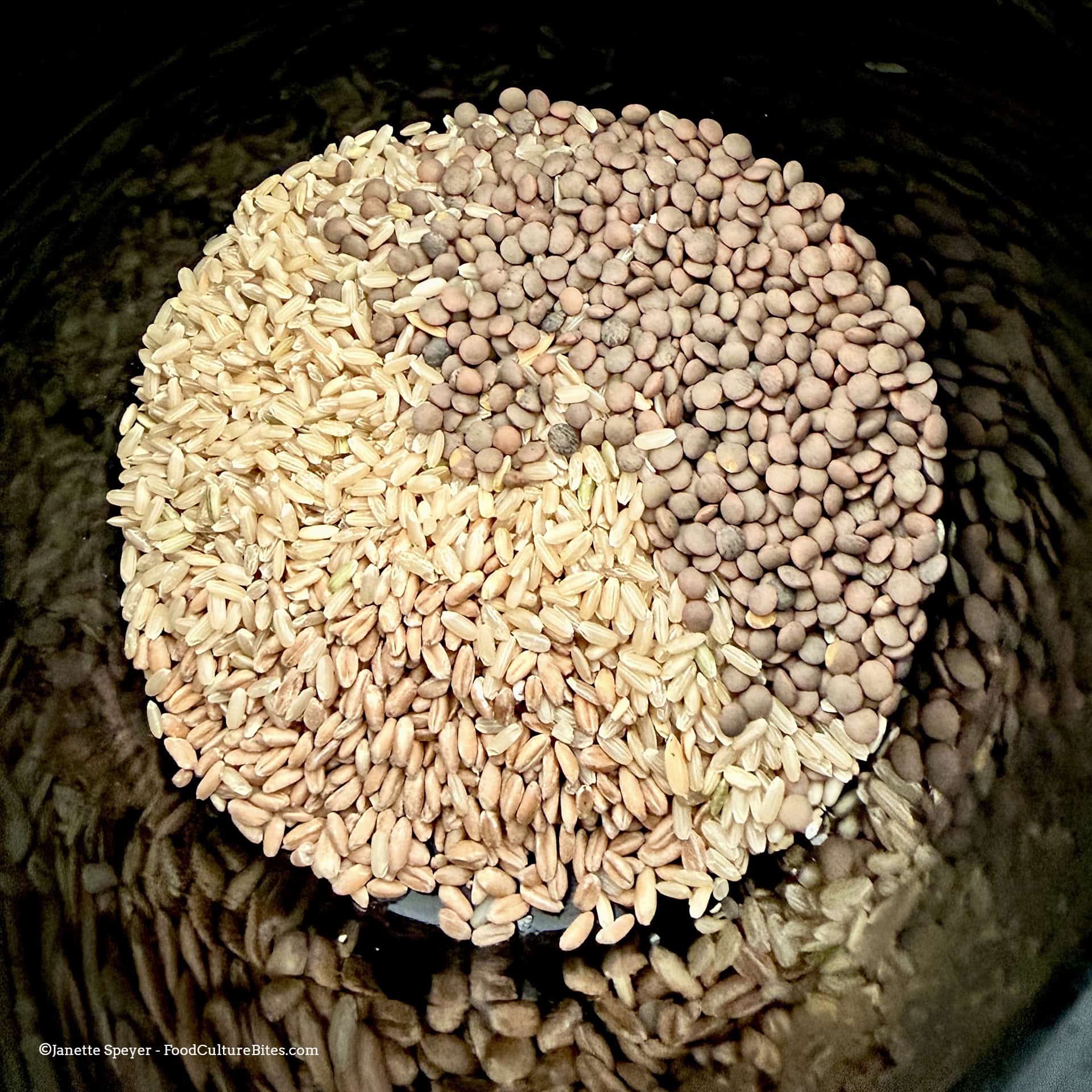
Their diets share some striking similarities: beans, vegetables, whole grains, fruits, nuts, and other minimally processed foods, with relatively little meat. Smokers and those who take extreme risks, such as freestyle rock climbing or hang-gliding, face different odds when it comes to longevity. But how much does food matter, and what exactly do Blue Zone residents eat?
*This post contains affiliate links. If you make a purchase through these links, I may earn a small commission at no additional cost to you. I earn from qualifying purchases. Thank you for supporting this site and helping me keep ancient food stories alive. Learn more.*
A Brief History of the Blue Zones
No one actually searched for the perfect Blue Zones diet. It grew out of demographic research.
In the late 1990s, Italian researcher Gianni Pes studied an area of Sardinia where men seemed to live a long time. Together with Belgian demographer Michel Poulain, they identified a cluster of villages with many male centenarians. In 2000, they marked the area with blue circles on a map. The Blue Zones name stuck.
They published their findings in the scientific journal Experimental Gerontology in 2004, coining the term and adding it to the vocabulary.
The next year, National Geographic published Dan Buettner’s feature on the world’s longevity hotspots. Buettner worked with other researchers to investigate communities where people enjoyed unusually long lives. The research expanded to Okinawa, Japan; Nicoya, Costa Rica; Ikaria, Greece; and the Seventh-day Adventist community in Loma Linda, California.
These became known as the five original Blue Zones.
Researchers examined more than what people ate. They considered demographic records, family and community life, physical activity, religious practices, and the environments people lived in. They aimed to understand why exceptional longevity appeared in these places and whether these lessons could be applied elsewhere.
The Blue Zones are more than five communities following a diet devised by scientists. They had their food traditions long before the term existed. People ate what their land produced, what they could afford, and what their families had prepared for generations.
The modern Blue Zones movement has since turned these observations into a popular approach to healthy living. The original ones are a familiar framework for understanding this concept, not proof that a certain lifestyle guarantees a long life.
The Five Original Blue Zones Diets
1. Okinawa, Japan · East Asia
Sweet potatoes, tofu, soybeans, bitter melon, leafy greens, seaweed, and modest amounts of fish. Before World War II, sweet potatoes were a major staple. Soy foods and vegetables were a mainstay, while pork and fish were also part of the traditional diet.
2. Sardinia, Italy · Mediterranean
Beans, chickpeas, lentils, minestrone, rustic bread, vegetables, potatoes, pecorino cheese, and modest amounts of meat. In Sardinia’s mountainous villages, farming and shepherding shaped the local cuisine. Hearty soups and homegrown ingredients form the basis of everyday meals.
3. Ikaria, Greece · Aegean Sea
Like Sardinia, Ikaria relies on lentils, chickpeas, white beans, wild greens, potatoes, seasonal vegetables, olive oil, bread, and some fish and goat’s milk products. Much of the traditional cooking relies on what’s grown or gathered locally. Herbs and olive oil add flavor to simple dishes.
4. Nicoya Peninsula, Costa Rica · Central America
Black beans, corn tortillas, rice, squash, papaya, plantains, eggs, and seasonal fruits and vegetables. Beans and maize have deep roots in Central American religion and food culture. Rice and beans, including the popular breakfast dish gallo pinto, remain familiar staples.
5. Loma Linda, California · United States
Oats, whole grains, beans, lentils, nuts, fruits, and vegetables. Many Seventh-day Adventists eat vegetarian or plant-based diets, influenced by their religious health traditions. Some consume eggs and dairy, while others include fish or meat.

Blue Zones Diet: a platter of vegetables and grains
A Typical Blue Zone Day of Eating
Breakfast – Oatmeal with walnuts and berries, or a traditional corn tortilla with beans.
Lunch – Lentil or minestrone, a large serving of vegetables, whole-grain bread, and olive oil.
Dinner – Beans or tofu with brown rice, sweet potatoes, and cooked greens.
Snacks – a handful of nuts or a piece of fresh fruit.
The Secret Sauce to Longevity
Spoiler Alert
No magic pill or ingredient will truly extend your life.
However… food and diet have proven to be integral to Blue Zone longevity. Other critical factors include physical activity, social connections, stress management, and a sense of purpose – all consistent with evidence that impacts healthy aging.
The Takeaway
You don’t need to move to Greece or Japan to adopt the eating habits. Start by eating beans most days, adding vegetables and whole grains to meals, eating nuts regularly, and making meat a smaller part of your diet. And of course, portion control.
That is a practical way to capture some of the best-supported benefits of traditional Blue Zones eating without following a rigid diet.
Explore more in our Food Spotlights or subscribe to our newsletter for weekly stories and recipes inspired by history. Taste the rest of the story.
Selected Sources and Further Reading
- PubMed — Identification of a geographic area characterized by extreme longevity in the Sardinia island: the AKEA study
- National Geographic — What Are The Blue Zones?
- National Geographic — How The World First Learned About Longevity Blue Zones
- Longevity Academy — BLUE ZONES IN THE WORLD
Note to my readers:
My research draws on travel experiences, books, and, sometimes, AI tools. I love using my own photos whenever possible, but occasionally I include stock or AI-generated images to help illustrate the story.
Still Intrigued By The Menu?
Subscribe to our newsletter for the freshest bites of food history, culture, and exclusive features.
Still hungry for history?

Let’s Connect
About Food Culture Bites
Food Culture Bites is a food history and culture website dedicated to exploring how food becomes identity. We tell the stories behind the dishes and traditions that shape past and present communities. Read more.>
Meet Janette Speyer

Behind every bite, there’s a story. Join me on a journey through history to explore how centuries of culture have shaped the way we eat. Read More >
Meet Bob Speyer

Bob Speyer is a writer and contributor to Food Culture Bites, bringing a lifetime of global experience, storytelling, and cultural insight to the publication. Having traveled to more than 60 countries, Bob writes with a deep appreciation for how history, food, and human connection intersect across cultures. Read More >