
Mushrooms: A 4,000-Year Journey Into Magic and Myths
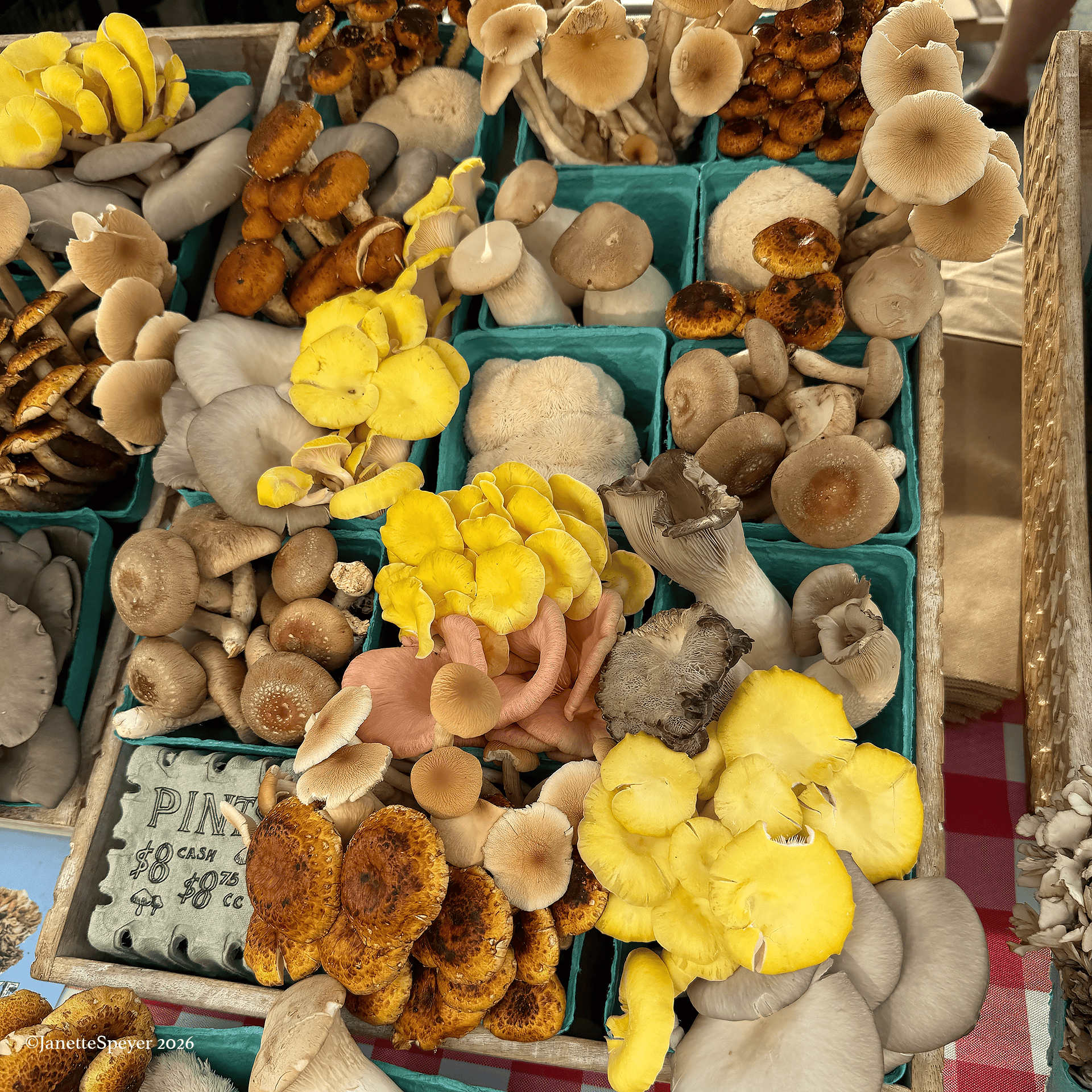
Personally, they are among my favorite foods, for their versatility, cuisine adaptability, and of course, their medicinal properties. In fact, they have captivated human imagination for thousands of years. They’ve been praised as divine food, feared as deadly poisons, used in spiritual rituals, and studied for amazing medicinal and ecological powers.
So, let’s explore how our relationship with them has evolved across cultures and centuries and has become known as one of Nature’s superfoods.
Take a flavorful journey through 4,000 years of lore—royal feasts, healing traditions, fairy-ring myths, and today’s culinary and wellness boom.
*This post contains affiliate links. If you make a purchase through these links, I may earn a small commission at no additional cost to you. I earn from qualifying purchases. Thank you for supporting this site and helping me keep ancient food stories alive. Learn more.
We are also a partner with Stay22. To learn more about how they handle data and tracking, you can visit their Privacy Policy Page.*
A Prehistoric Start: Fungi Before Humans
Long before humans appeared, fungi were among the Earth’s earliest land dwellers. Fossil evidence suggests that giant fungal organisms – some taller than giraffes – dominated landscapes over 400 million years ago.
By the time early humans emerged, mushrooms were already widespread, offering both sustenance and danger. Archaeological findings show that prehistoric peoples likely gathered mushrooms for food, medicine, and shamanic practices.
Fungi in Ancient Civilizations: Divine Food and Herbal Medicine
Egypt
In ancient Egypt, mushrooms were considered a delicacy reserved for royalty. Pharaohs called them the “Food of Immortality”, believing they granted eternal life – so commoners were forbidden from eating them.
China
China has one of the richest mushroom traditions in the world. Texts dating back more than 2,000 years mention medicinal fungi such as Reishi (Lingzhi), revered for promoting vitality, longevity, and spiritual clarity.
Greece and Rome
Greek philosophers and physicians wrote extensively about mushrooms. While the Greeks appreciated them as culinary ingredients, the Romans went further – believing certain mushrooms had divine and transformative properties.
Fungi in Folklore and Myth
Mushrooms have been the stuff of legends across Europe, Asia, and the Americas with stories and practices past down through millennia. Here are just a few examples:
- Fairy rings were believed to be portals to magical realms.
- Siberian shamans used Amanita muscaria (the iconic red mushroom with white spots) in rituals for thousands of years.
- Indigenous peoples in the Americas used psilocybin mushrooms in ceremonies to gain spiritual insight, referring to them as “flesh of the gods.”
The Middle Ages: Fear, Superstition, and “Poisonings”
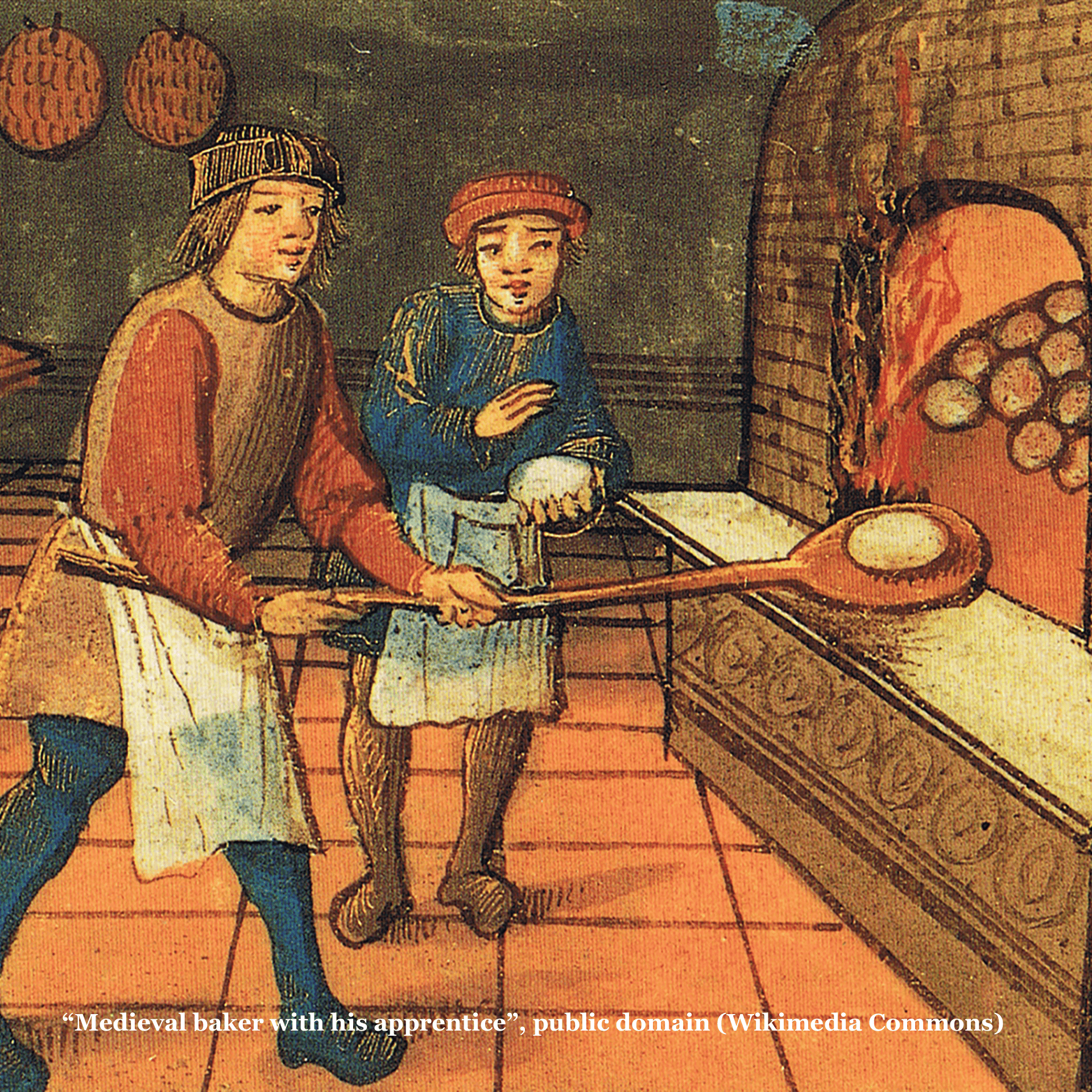
During medieval times in Europe, mushrooms gained a darker reputation. With little scientific understanding, people often confuse edible species with deadly ones.
This era saw an explosion of myths associating mushrooms with witches, spirits, or omens. And of course they were used to poison enemies as popularized by storytellers and modern filmmakers. Even today, people are wary of “picking” mushrooms for fear of certain death.
The Age of Exploration: New Discoveries
As explorers traveled the world, they encountered unfamiliar mushrooms – both edible and dangerous. In the Americas, European settlers encountered the indigenous use of psychoactive mushrooms, leading to a mix of fascination and suppression.
Meanwhile, scientific curiosity grew. By the 1700s and 1800s, naturalists began systematically cataloging mushroom species. Mycology, the scientific study of fungi, was born.
The 20th Century: Science Unlocks Fungi’s Secrets
Modern Medicine
The discovery of penicillin in 1928, derived from a fungus, transformed mushrooms from mysterious organisms into medical heroes. This breakthrough ushered in a new era of antibiotic and pharmaceutical research and have saved countless millions of lives!
Psychedelic Research
During the 1950s and 60s, Western scientists rediscovered psilocybin mushrooms, exploring their potential for treating depression, addiction, and existential distress. Mushrooms were even embraced by the counterculture of youths and “hippies” as a portal to your inner mind, giving a new meaning to Flower Power!
Cultivation Revolution
Before the 20th century, mushrooms were mostly wild-harvested. Today, species like button mushrooms, shiitake, and oyster mushrooms are farmed globally, making them accessible year-round.
Today: Fungi as Food, Medicine, and Environmental Adaptations
In recent years, mushrooms have become a cultural and scientific sensation:
- Gourmet cuisine celebrates species such as porcini, chanterelles, and lion’s mane.
- Functional mushrooms (Reishi, Lion’s Mane, Chaga, Cordyceps) are used in wellness products.
- Environmental innovators are using fungi for biodegradable packaging, soil restoration, and even “mushroom leather.”
Called Nature’s SuperFood, they have an important place in humanity’s diet and health. And new discoveries and species may further our medicinal knowledge and enhance our cuisine.
Explore more in our Food Spotlights or subscribe to our newsletter for weekly stories and recipes inspired by history.
Note to my readers: My research draws on travel experiences, books, and, sometimes, AI tools. I love using my own photos whenever possible, but occasionally I include stock or AI-generated images to help illustrate the story.
Still hungry for history? You may also like these articles:

About Food Culture Bites
Food Culture Bites is a food history and culture website dedicated to exploring how food becomes identity. We tell the stories behind the dishes and traditions that shape past and present communities. Read more.>
Meet Janette Speyer

Behind every bite, there’s a story. Join me on a journey through history to explore how centuries of culture have shaped the way we eat. Read More >
Meet Bob Speyer

Bob Speyer is a writer and contributor to Food Culture Bites, bringing a lifetime of global experience, storytelling, and cultural insight to the publication. Having traveled to more than 60 countries, Bob writes with a deep appreciation for how history, food, and human connection intersect across cultures. Read More >