
Oaxacan Mole: Discover the Joy of Tradition
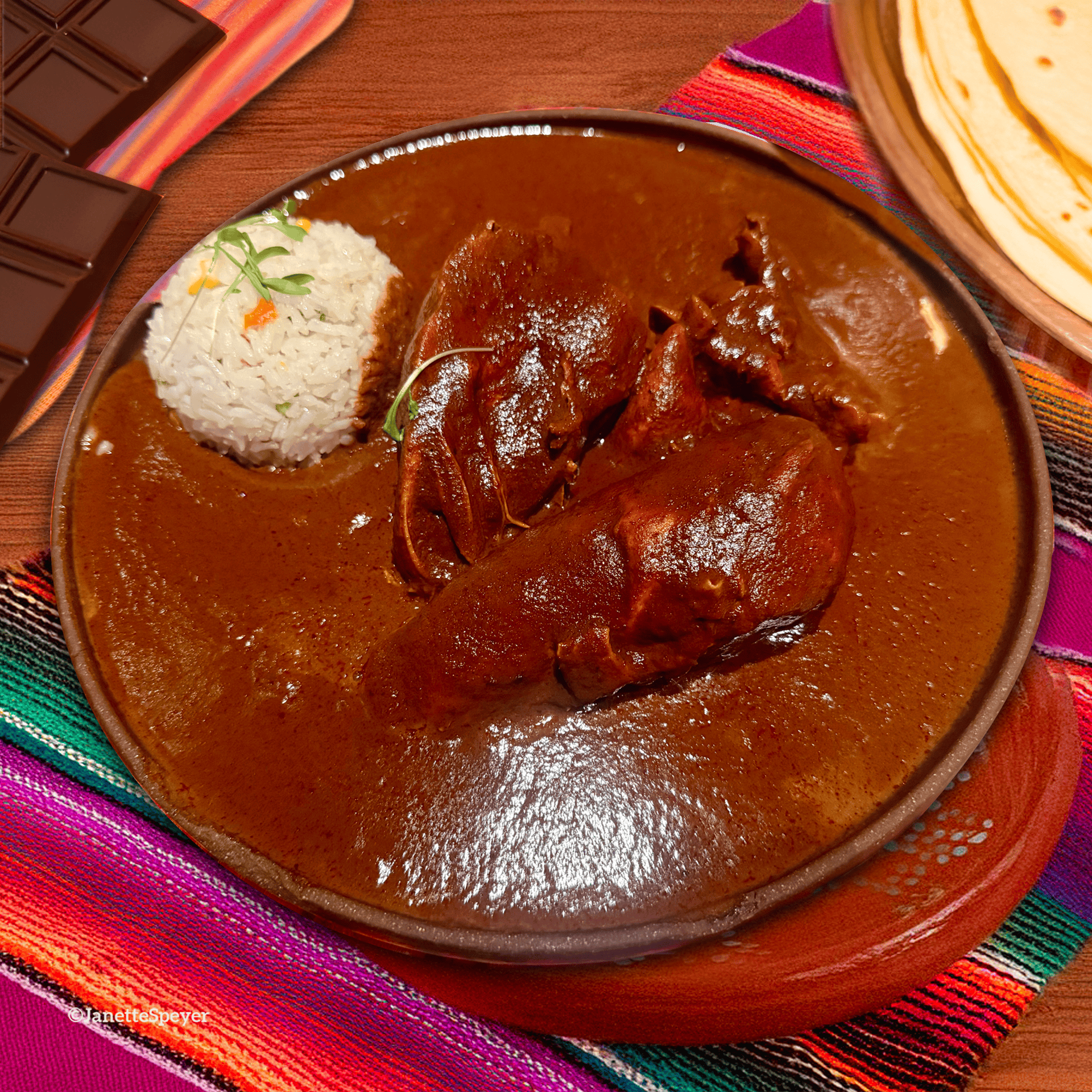
When people talk about the soul of Mexican cuisine, they’re often talking about “mole”, and nowhere is mole more iconic than in Oaxaca – known as “the land of the seven moles.” Rich, complex, and deeply rooted in local culture, Oaxacan mole has a history that stretches back centuries.
Ancient Roots: Pre-Hispanic
Mole’s story starts long before the Spanish arrived. The Indigenous Zapotec and Mixtec peoples made sauces from chiles, nuts, seeds, herbs, and cacao – ingredients they ground by hand using metates (stone grinders). These early sauces were used in ceremonial meals and served as the foundation for what mole would eventually become.
*This post contains affiliate links. If you make a purchase through these links, I may earn a small commission at no additional cost to you. As an Amazon Associate, I earn from qualifying purchases. Thank you for supporting this site and helping me keep ancient food stories alive. Learn more.
We are also a partner with Stay22. To learn more about how they handle data and tracking, you can visit their Privacy Policy Page.*
A Blend of Two Worlds
When Spanish ingredients entered the picture – like cinnamon, almonds, cloves, and sesame seeds – Oaxacan cooks began blending them with traditional chiles and cacao. The result was a new style of sauce that was richer, more layered, and full of flavor. By the 1600s, mole had become a go-to dish for celebrations across Oaxaca.
The Famous “Seven Moles”
Oaxaca is known for seven classic moles, each with its own personality:
- Coloradito – mild and slightly sweet, often served with chicken
- Mole Negro – smoky, dark, and complex uses chilhuacle negro chiles, chocolate, and sometimes toasted tortilla for body
- Mole Rojo – bold and spicy, built on red chiles
- Mole Amarillo – bright and herbaceous
- Mole Verde – fresh and green with herbs, tomatillo, and pumpkin seeds
- Chichilo – earthy and traditional with burnt tortilla and avocado leaves
- Manchamanteles – fruity and festive
Each mole highlights local ingredients like chilhuacle chiles, hoja santa, avocado leaves, and Oaxacan cacao – flavors that make these sauces truly special.
Easy Oaxacan Mole Recipe With Leftover Turkey
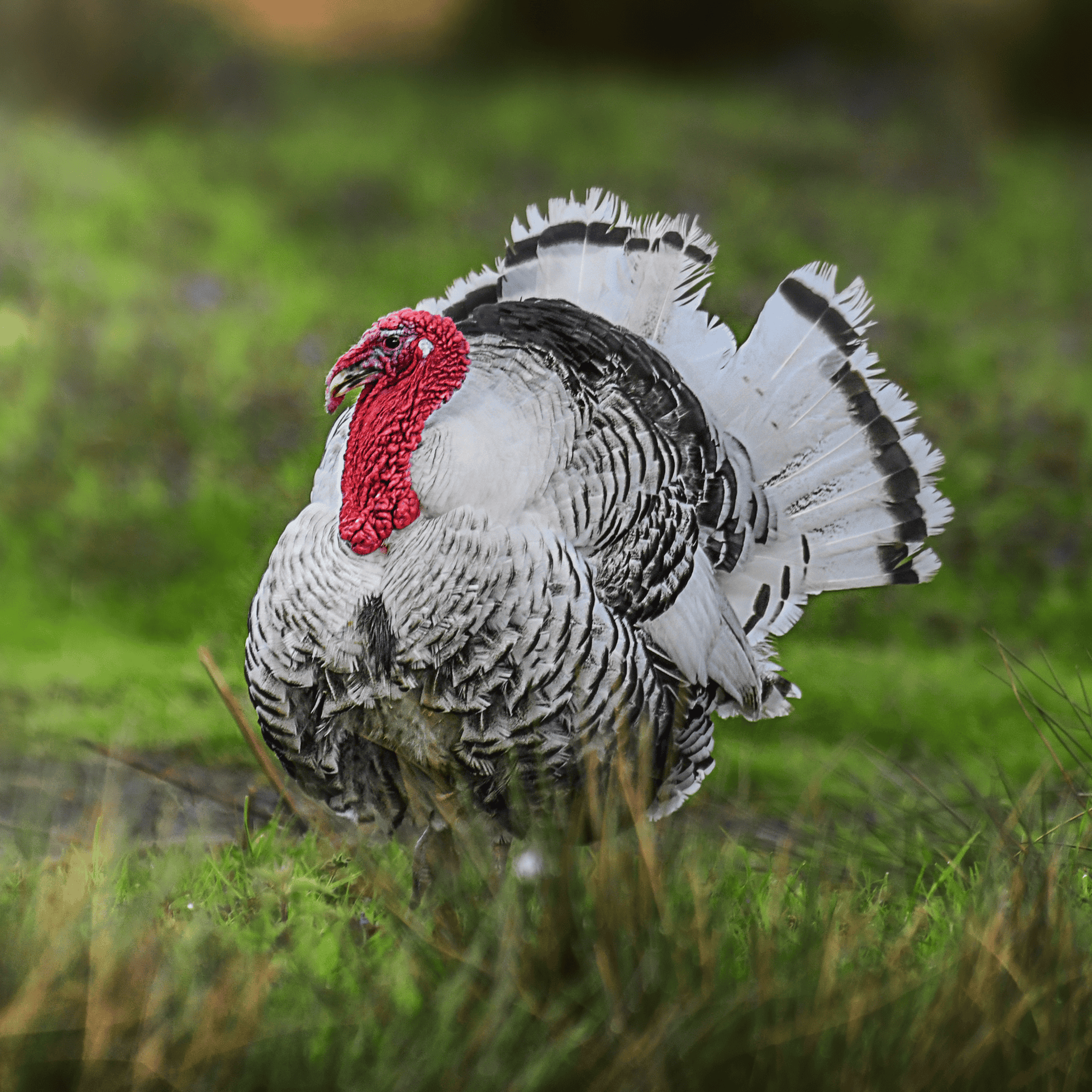
Got all this turkey left from the holidays? My wife makes a simple recipe with leftover turkey. This easy Oaxacan mole recipe uses a convenient store-bought mole paste. It’s quick and straightforward to make and perfect for dinners or special occasions. Leftover turkey, or chicken, a touch of spice, and a hint of chocolate make this mole a guaranteed crowd-pleaser.
Ingredients
- 1 package Oaxacan mole paste (about 7–8 oz)
- 2 cups chicken or vegetable broth
- 2 tablespoons vegetable oil
- 4 cups of shredded leftover turkey
- 1 small onion, finely chopped
- 2 garlic cloves, minced
- 1 tablespoon sesame seeds (optional, for garnish)
- Fresh cilantro or chopped green onions for garnish
- Cooked rice and warm tortillas, for serving
Preparation
- In a medium saucepan over medium heat, warm the vegetable oil. Add the chopped onion and garlic and sauté until soft and fragrant, about 3–4 minutes.
- Stir in the mole paste. Cook for 1–2 minutes, stirring constantly, to release the flavors and aromas.
- Slowly whisk in the vegetable broth until the mole becomes a smooth, pourable sauce. Reduce the heat to low and simmer gently for 10–15 minutes. Stir occasionally to prevent sticking.
- Fold in the shredded turkey, making sure it’s well coated with the mole. Simmer for another 5–10 minutes to let the flavors meld.
- Sprinkle with sesame seeds and fresh cilantro or green onions. Serve over rice or with warm tortillas.
Notes:
For extra depth, you can add a square of Mexican chocolate when melting the mole paste. Mole thickens as it cools; add a splash of broth or water if needed. Leftovers taste amazing the next day — mole flavors intensify after resting.
More Than Just a Dish
In Oaxaca, mole is tied to life’s biggest moments: weddings, baptisms, community fiestas, and Día de los Muertos. Many families have mole recipes passed down for generations, and making it is often an all-day (or multi-day) event of toasting, grinding, and slow simmering.
Mole Today
Whether served in a traditional Oaxacan kitchen or reimagined by modern chefs around the world, mole remains a symbol of heritage, celebration, and culinary artistry. It’s not just food – it’s history on a plate.
Oaxacan mole is a reflection of Oaxaca’s history, blending Indigenous traditions, colonial influences, unique local ingredients, and centuries of creativity. Rooted in ritual and community, mole continues to evolve while remaining one of the most cherished expressions of Oaxacan culture.
¡Buen Provecho!
Explore more in our Food Spotlights or subscribe to our newsletter for weekly stories and recipes inspired by history.
Note to my readers: My research draws on travel experiences, books, and, sometimes, AI tools. I love using my own photos whenever possible, but occasionally I include stock or AI-generated images to help illustrate the story.
Stay Up-To-Date
Subscribe To Our Newsletter
Recommended Reading
-
-
10,000 Years of blood, sweat, and spices that built today's plates.
-
Meet Janette Speyer

Behind every bite, there’s a story. Join me on a journey through history to explore how centuries of culture have shaped the way we eat. Read More >