Pardon Me – Please! The Annual Presidential Turkey Pardon
Updated November 2026
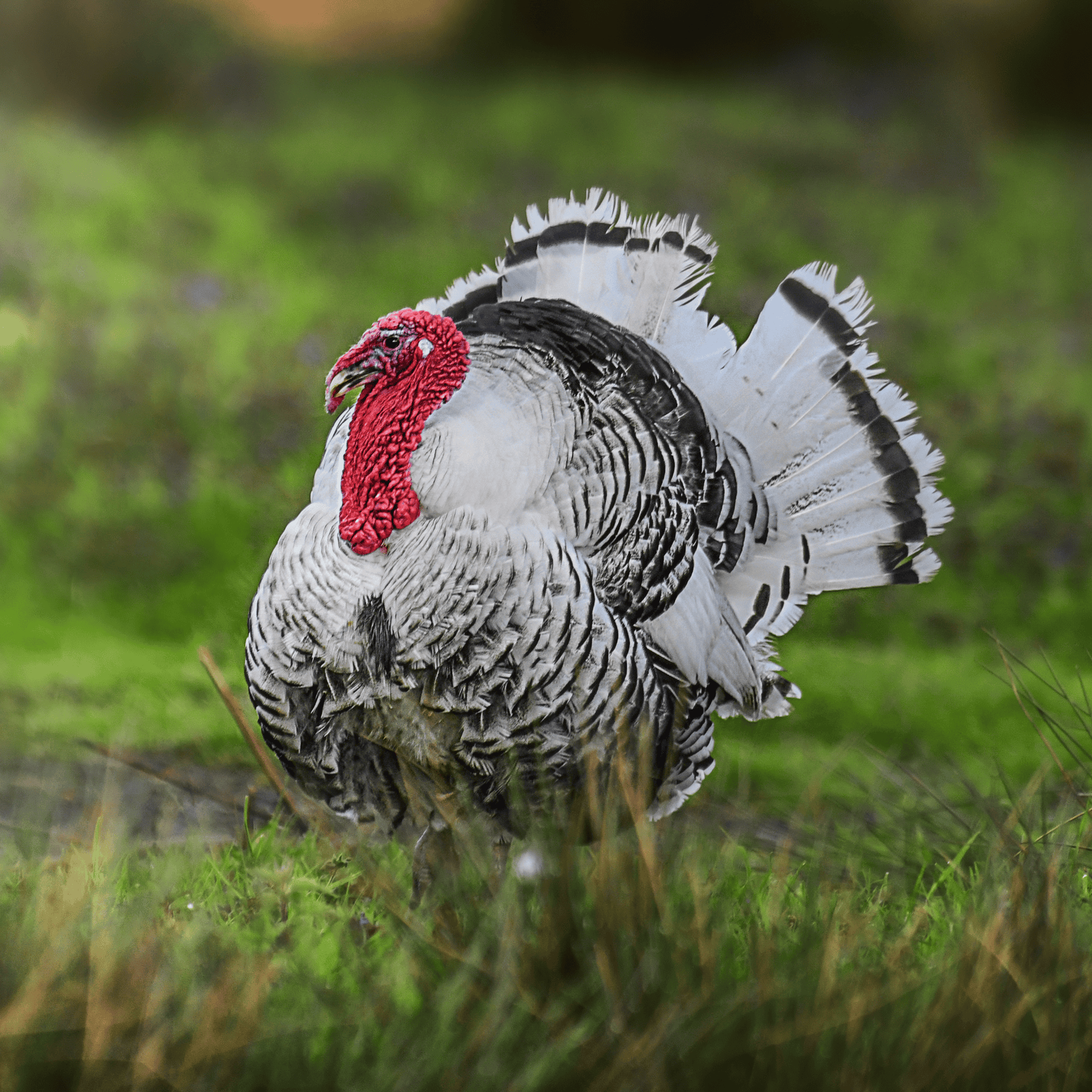
America loves its pomp, pageantry, and presidential traditions. But few are quite as peculiar as the annual ceremony in which the President of the United States officially spares a turkey from becoming Thanksgiving dinner.
Every November, as families prepare their Thanksgiving menus, one very lucky bird gets a moment in the national spotlight.
Yes, a turkey. A bird that cannot vote, cannot pay taxes, and probably has no idea why the President is talking about it.
Welcome to the Presidential Turkey Pardon, one of America’s most entertaining Thanksgiving traditions. Its history, however, goes back further than you might think.
*This post contains affiliate links. If you make a purchase through these links, I may earn a small commission at no additional cost to you. Thank you for supporting this site and helping me keep ancient food stories alive. Learn more.
We are also a partner with Stay22. To learn more about how they handle data and tracking, you can visit their Privacy Policy Page.*
A Pardonable Tradition Is Born
The story of the presidential turkey pardon is often traced to Abraham Lincoln.
According to an account by White House reporter Noah Brooks in 1865, Lincoln’s young son Tad pleaded with his father to spare a turkey intended for the family’s Christmas dinner. Tad had apparently become attached to the bird, and Lincoln granted his son’s request.
Although the story is frequently repeated, historians acknowledge that it may be apocryphal. It is also important to note that this was a Christmas turkey, not a Thanksgiving pardon.
The White House began receiving Thanksgiving turkeys as gifts in the 1870s. Rhode Island poultry dealer Horace Vose became particularly well known for sending birds to presidents.
By the 1940s, the annual turkey presentation had become a White House media event.
President Harry S. Truman received Thanksgiving turkeys, but despite popular belief, no reliable historical evidence shows he pardoned them.
President John F. Kennedy famously spared a turkey in 1963, choosing to let the bird live rather than serve it for dinner.
Ronald Reagan later brought the word “pardon” into the ceremony, joking about sparing a turkey in 1987.
But President George H.W. Bush firmly established the modern tradition.
On November 17, 1989, Bush stood before reporters in the White House Rose Garden and announced that the turkey would not end up on anyone’s dinner table. He declared that the bird had been granted a presidential pardon.
And just like that, a quirky presidential gesture became an annual Thanksgiving tradition.
Meet the Most Pampered Birds in America
The National Thanksgiving Turkey and its alternate are selected for their starring roles in the White House ceremony.
These birds receive a very different kind of Thanksgiving experience from their less fortunate counterparts.
Instead of heading to the kitchen, they get a presidential introduction, plenty of photographs, and a chance to become temporary celebrities.
Their appearance is carefully planned, and the ceremony has become a familiar part of the holiday season.
The Ceremony: Political Theatre, But With Birds
The annual event takes place shortly before Thanksgiving.
The President appears before the cameras, delivers a few lighthearted remarks, and officially spares the featured turkey.
The ceremony is deliberately playful. Presidents have used the occasion to make jokes, poke fun at politics, and remind everyone that even the White House can occasionally be a little silly.
For a few minutes, the turkey becomes one of America’s most photographed birds.
Three Turkey Facts You Probably Didn’t Know
While the presidential turkey gets all the attention, wild turkeys have some rather remarkable characteristics of their own.
1. They have thousands of feathers.
An adult turkey has approximately 5,000 to 6,000 feathers. That’s quite a wardrobe for one bird!
2. They can run and fly surprisingly fast.
Wild turkeys can run up to 18 miles per hour and fly at about 50 miles per hour.
3. Baby turkeys have an appetite for insects.
Young turkeys, called poults, eat insects enthusiastically. As they grow older, their diet gradually shifts toward more plant-based foods.
What Happens After the Pardon?
The presidential pardon is symbolic, but it does give the selected birds a reprieve from Thanksgiving dinner.
Rather than becoming the centerpiece of the holiday table, pardoned turkeys are traditionally sent to farms or educational institutions where they can live out their remaining days.
Unfortunately, commercially bred turkeys are not necessarily built for a long retirement. Their size and breeding can create health challenges, so life after the ceremony isn’t always as idyllic as the photographs suggest.
Still, it’s a considerably better Thanksgiving outcome than being surrounded by stuffing, gravy, and cranberry sauce!
Why We Keep Doing This Ridiculous Thing
Because it’s fun. Because it’s unusual. And because American history has room for traditions that don’t always take themselves seriously.
The presidential turkey pardon has survived changing administrations, political controversies, and decades of Thanksgiving dinners.
What began as a series of individual gestures of mercy eventually became a beloved White House ritual.
And perhaps that’s the charm. Every November, amid political debates and holiday preparations, the nation pauses to celebrate one very fortunate bird.
Not every presidential decision makes history. But sparing a turkey certainly makes for a memorable Thanksgiving story.
Happy Thanksgiving! And long live the presidential turkey!
Explore more in our Food Spotlights or subscribe to our newsletter for weekly stories and recipes inspired by history. Taste the rest of the story.
Selected Sources and Further Reading
- The White House Historical Association – Rubenstein Center Scholarship — Good Eatin’ Mr. President”: The Curious Origins of the White House Turkey Pardon
- The White House Historical Association – Press Room: Timelines — Thanksgiving at the White House
- The University of North Carolina at Chapel Hill — Saved from Fowl Play: a Brief History of Turkey Pardoning
Note to my readers:
My research draws on travel experiences, books, and, sometimes, AI tools. I love using my own photos whenever possible, but occasionally I include stock or AI-generated images to help illustrate the story.
Still Intrigued By The Menu?
Subscribe to our newsletter for the freshest bites of food history, culture, and exclusive features.
Still hungry for history?
Let’s Connect
About Food Culture Bites
Food Culture Bites is a food history and culture website dedicated to exploring how food becomes identity. We tell the stories behind the dishes and traditions that shape past and present communities. Read more.>
Meet Janette Speyer

Behind every bite, there’s a story. Join me on a journey through history to explore how centuries of culture have shaped the way we eat. Read More >
Meet Bob Speyer

Bob Speyer is a writer and contributor to Food Culture Bites, bringing a lifetime of global experience, storytelling, and cultural insight to the publication. Having traveled to more than 60 countries, Bob writes with a deep appreciation for how history, food, and human connection intersect across cultures. Read More >