The Pies We Know as “American” Have Unexpected Origins
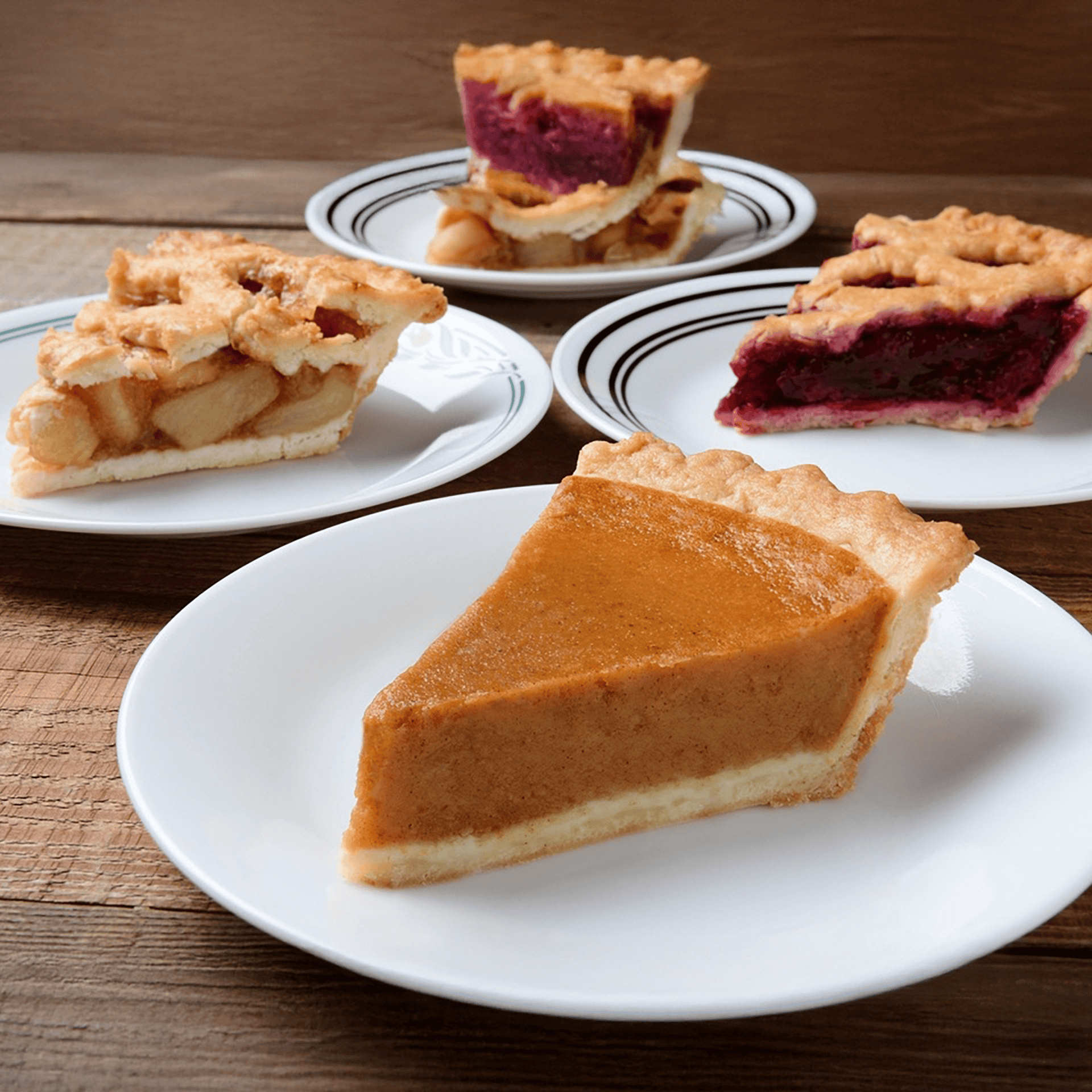
What would Thanksgiving be without pie?
The holiday meal doesn’t end when the turkey is cleared away. Even when everyone complains about how much they’ve eaten, there’s always room for Thanksgiving pie.
Pumpkin. Apple. Pecan. Sweet potato.
These four pies are so closely associated with Thanksgiving that it’s easy to assume they’ve always been part of the holiday. Well, they haven’t.
Thousands of years of culinary evolution are behind the pies on our Thanksgiving tables. They bring together Indigenous and European traditions, immigration, agriculture, and changing ideas about what a holiday meal should be.
Here’s an interesting fact: the pies we associate with the first Thanksgiving probably weren’t there at all
So how did these four desserts become Thanksgiving icons?
Food Storage, Not Pastry
Ancient cooks used dough in ways that resemble some of the earliest forms of pie. They could wrap dough around fillings or use it to encase food during cooking. These “casings” protected fillings from intense heat. These early crusts were functional, not meant to be eaten.
The thick, hard crust was a vessel to hold and bake the contents. The filling often included ingredients like honey, meat, or nuts. Its primary function was to keep the interior moist and prevent it from burning.
Over the centuries, the Greeks got better at baking savory pies in open pastry shells.
The Romans took pie-making to the next level. They introduced pastry made from flour, water, and fat, and filled it with meat, fruit, or seafood. Roman soldiers carried pies as rations because they were sturdy, compact, and portable. As the Roman Empire spread, so did the concept of the pie.
*This post contains affiliate links. If you make a purchase through these links, I may earn a small commission at no additional cost to you. Thank you for supporting this site and helping me keep ancient food stories alive. Learn more.
We are also a partner with Stay22. To learn more about how they handle data and tracking, you can visit their Privacy Policy Page.*
Pies Are a Medieval Culinary Staple
By the Middle Ages, pies had become a central feature of European cuisine. Pastry cases, known as “coffyns”, were thick, sturdy containers designed to preserve contents for long periods. This storage method predated refrigeration. The inedible crusts, made with flour and water, preserved the filling through long cooking periods.
Savory meat pies dominated the show, filled with venison, beef, pork, or poultry. Sweet pies also emerged, using dried fruits and spices like cinnamon, nutmeg, and cloves. They got exotic flavors through global trade routes. Pies were a big part of the Medieval diet.
Pies grew sweeter and more refined as sugar became more available. Colonists sailing to the New World brought their pie traditions with them.
The Thanksgiving Pies We Think We Know
America was rich with ingredients colonists loved. Apples, pumpkins, and pecans became important parts of American cooking, while Indigenous peoples had long cultivated and used many of these foods.
The pies we love combine European baking traditions with ingredients native to the Americas.
Fast forward to the 18th and 19th centuries, and pies were everywhere. Farms, taverns, and family kitchens offered seasonal pies made with whatever ingredients were available. Pie was economical, easy to make in large quantities, and a practical way to use seasonal produce.
Pie was also an excellent way to preserve food. Fill it with fruit that was past its prime, and you had a comforting dessert long before the phrase “comfort food” existed.
The Classic Thanksgiving Pies
Thanksgiving became associated with seasonal harvest foods and, eventually, the pies we know today. But this has little to do with the menu at the 1621 harvest feast. No evidence shows that modern pies were served, and the colonists didn’t have the butter and wheat flour needed to make the pastry crust we associate with pie today. (Smithsonian Magazine)
The Thanksgiving menu we recognize today developed over many generations, as recipes, ingredients, and traditions evolved.
Pumpkin Pie: The Most Patriotic of Thanksgiving Pies
Pumpkins and other squashes were important Indigenous crops long before European colonists arrived. But the pumpkin pie we know today developed later. It combines New World squash with European pie-making traditions.
By the late 18th century, pumpkin pie was becoming part of American culinary culture. Amelia Simmons’ American Cookery, published in 1796, included pumpkin pie recipes, helping establish it as a distinctly American dish. (Smithsonian Magazine)
During the 19th century, pumpkin pie became increasingly symbolic of Thanksgiving. During the Civil War era, the North tied pumpkin and Thanksgiving with abolitionist values and the celebration of American harvest traditions. (Smithsonian Magazine)
Once an Indigenous crop, it eventually became one of America’s most recognizable Thanksgiving desserts.
American as Apple Pie
“American as apple pie,” the famous quote tells only half the story. European colonists brought apples. What made them American was how widely and quickly they grew.
Apples are a practical fruit. They stored well through winter, making them ideal for autumn celebrations.
By the early 20th century, apples had become a patriotic icon.
Pecan Pie: The Indigenous Classic
Native to North America, pecans were an important food for Indigenous peoples. The nuts were nutritious, plentiful, and could also be traded among Indigenous communities.
By the late 19th century, pecan pie recipes appeared in Southern cookbooks. Texans adopted the pie. The dessert spread in the early 20th century as commercially produced corn syrup became available.
Karo syrup helped popularize their version of pecan pie when the company promoted recipes using its syrup. That made the dessert simple and consistent for home cooks across the country.
Earlier versions of pecan pie typically used ingredients such as molasses or brown sugar syrup, so the familiar gooey pecan pie we know today isn’t quite as old as the pecan itself.
The pecan has an Indigenous American history. The modern pecan pie is a much more recent chapter of that story.
Sweet Potato Pie: A Connection to Community
Sweet potato pie’s origins blend Indigenous American, European, and African culinary traditions. Native Americans cultivated sweet potatoes for centuries. The crop became important in Virginia’s colonies by the mid-1600s. Later on, European colonists applied their traditional pie-making techniques to sweet potatoes. They introduced recipes in printed cookbooks as early as the 18th century. British cooks added sweet potatoes to tarts and pastries, influenced by the traditional use of both fruits and vegetables in baked goods.
The dessert became deeply rooted in African American culture and soul food tradition. Enslaved Africans used sweet potatoes as an alternative to West African yams from their homeland. Initially, they ate them roasted or mashed with spices, adding pie shells once they had access to ovens. By the 19th century, sweet potato pie transitioned from a savory vegetable dish to a recognized dessert. The dish is a powerful symbol of Black Southern identity, particularly during and after the Great Migration. Today, sweet potato pie is a hallmark at African American celebrations. Recipes are passed down through generations, connecting homes and families.
Why Thanksgiving Pies Are Special
A warm pie is a memory, a ritual, a heritage, and a comfort food all wrapped into a delicious, tender, flaky crust.
Each Thanksgiving pie carries a story of ancient civilizations, colonial adaptation, identity, and immigration. Each recipe can hold a unique family tradition passed down through generations. Happy pie day!
Explore more in our Food Spotlights or subscribe to our newsletter for weekly stories and recipes inspired by history.
Note to my readers: My research draws on travel experiences, books, and, sometimes, AI tools. I love using my own photos whenever possible, but occasionally I include stock or AI-generated images to help illustrate the story.
Still Intrigued By The Menu?
Subscribe to our newsletter for the freshest bites of food history, culture, and exclusive features.
Still hungry for history?
Let’s Connect
About Food Culture Bites
Food Culture Bites is a food history and culture website dedicated to exploring how food becomes identity. We tell the stories behind the dishes and traditions that shape past and present communities. Read more.>
Meet Janette Speyer

Behind every bite, there’s a story. Join me on a journey through history to explore how centuries of culture have shaped the way we eat. Read More >
Meet Bob Speyer

Bob Speyer is a writer and contributor to Food Culture Bites, bringing a lifetime of global experience, storytelling, and cultural insight to the publication. Having traveled to more than 60 countries, Bob writes with a deep appreciation for how history, food, and human connection intersect across cultures. Read More >