
Could GLP-1 Medications Rewrite American Food History?
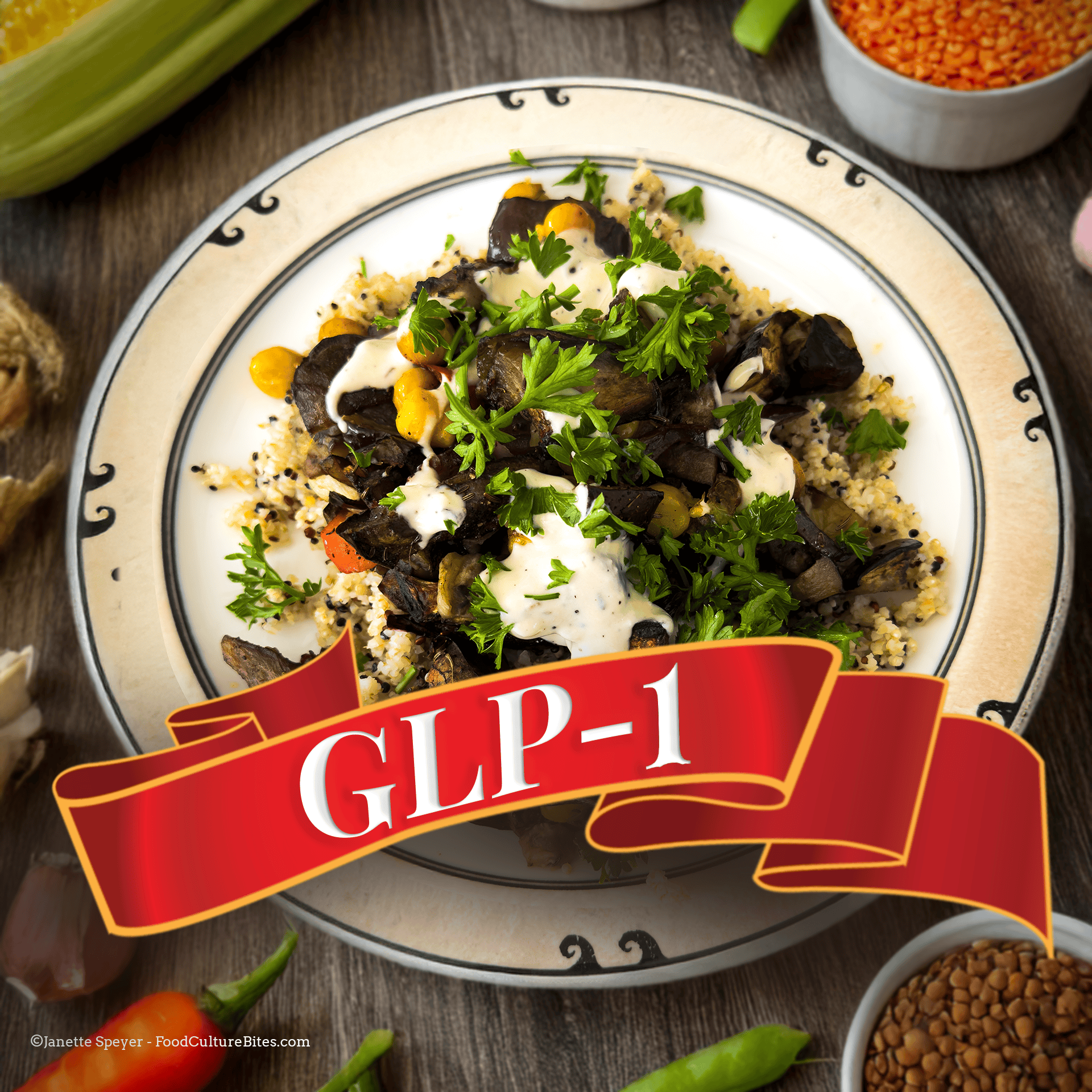
Something strange is happening: GLP-1 medications are changing food culture and how we eat.
For decades, we have been encouraged to eat more, buy more, and consume bigger portions. Supersize it! Want extra fries with this? Now, appetite-suppressing medications may be changing our relationship to food. Guess what? These changes are showing up in our grocery carts.
Have you checked your cart recently? Many people I know are buying less food than they used to. It’s not the price increase or trying to save money; it’s simply because people aren’t as hungry.
What happens when millions of people experience the same change?
That’s the question surrounding GLP-1 medications. This drug was developed to treat Type 2 diabetes. Now widely prescribed for weight management. These drugs slow down your appetite and help many people feel satisfied sooner.
But this goes way past the bathroom scale. It could influence grocery shopping, restaurant spending, food manufacturing, and even the traditions of what we eat.
*This post contains affiliate links. If you make a purchase through these links, I may earn a small commission at no additional cost to you. I earn from qualifying purchases. Thank you for supporting this site and helping me keep ancient food stories alive. Learn more.*
An Appetite for Change
According to a 2026 Gallup survey, 11% of American adults are using GLP-1 medications for weight loss, up from 3% in 2024. Another 15% reported having used them at some point.
That’s a significant shift in a relatively short period.
If someone in a household begins eating less, shopping habits can change for everyone. Families could buy less snacks, cook smaller meals, or not replenish their pantries as often.
The food industry is noticing. A study published in the Journal of Marketing Research examined actual grocery and restaurant purchases among households with at least one GLP-1 user.
Here are a few numbers to give you an idea:
Within six months of GLP-1, household grocery spending dropped by an average of 5.3%. Among higher-income households, the reduction reached 8.2%. Spending at fast-food restaurants and other limited-service establishments fell by approximately 8%.
Yogurt was among the few categories that increased. Savory snack purchases dropped by 10.1%, as did spending on sweets, baked goods, and cookies.
The figures reflect household spending, not necessarily how much food people consume. But they offer a glimpse into changing consumer behavior.
How Did We Develop Our Appetite for More in the First Place?
Our relationship with food has dramatically changed over the past century. To understand what happened, we need to look back.
In the past, seasonality, preservation, and availability shaped how people shopped and ate. Families mostly cooked at home. Local markets, canning, drying, and other food-preservation methods were the norm.
After World War II, the American diet began to change. Refrigerators were a household staple. As supermarkets expanded, packaged foods became increasingly accessible. Convenience foods gradually defined everyday eating. Fast-food chains and generous restaurant portions were a big part of the culture. Value for price encouraged consumers to buy more to eat for very little money.
By the 1980s and 1990s, we expected everything to be supersized. Huge portions had become a familiar part of American dining.
Snacking also became embedded in daily life. Eating on the run: meals were taken while commuting, working, watching television, and socializing. Traditional mealtimes were slowly disappearing from homes.
But portion sizes weren’t the only part of America’s changing health patterns. Marketing, income, and working hours all played important roles in dietary habits. It was all about abundance, an important part of modern American food culture.
What happens when consumers are content with smaller portions and no longer feel the urge to snack?
Are Americans Eating Healthier?
This is a complex question. It’s more than buying less food.
A 2025 study published in JAMA Network Open examined food purchases among GLP-1 medication users in Sweden. Researchers found modest changes in the nutritional profiles of the foods people bought. People are eating slightly fewer calories and less sugar, more protein, and less heavily processed products.
This interesting finding does not automatically apply to all the American population. Eating less doesn’t mean eating better foods.
These findings raise interesting possibilities: Could the future of eating be less about filling our plates and more about getting the most nutritional value from what we consume?
The Food Industry Is Taking Note.
A 2026 McKinsey analysis found declines in many grocery categories among consumers adopting GLP-1 medications. Spending on savory snacks fell by 11.5%, sweet bakery products by 8.5%, cookies by 7%, and soft drinks by 6.8%.
These changes reflect shifts among adopting consumers, not nationwide sales declines.
Companies need to pay attention to consumers’ new needs.
Could smaller portions become more common? I am already noticing this at some restaurants on both the East Coast and West Coast. Will restaurants charge less for smaller portions? Will protein-rich foods, fresh produce, and products with greater nutritional value become more commonplace?
Research published in the Journal of Marketing Research found that households continuing treatment maintained lower food spending through the first year. After treatment ended, spending tended to return to earlier patterns.
These findings suggest the transformation may not be permanent for everyone.
Will We Still Enjoy Eating?
For me, food has always connected me to family, history, celebrations, and cultural identity.
I cook for family and friends. On special occasions, my kitchen fills with the smell of baked goods. Gathering around a table and sharing food is one of humanity’s oldest traditions.
So what happens when people eat less?
Will families prepare smaller meals? Will hosts rethink how much food they serve? Could restaurants eventually embrace smaller portions? Guess what? Nothing dramatic. I have grown up in a country where people never got a super size in their life.
It might even be a blessing if households waste less food. In mine, we only buy and prepare what we need. There isn’t enough evidence to support the claim that GLP-1 medications are reducing food waste nationwide.
Food always adapts to changing lifestyles. This is just another way to look at food, a period of adjustment.
Is This a New Chapter in American Food History?
This isn’t the first time we’ve seen changes in how we eat.
- Refrigeration changed food storage.
- Industrial production made packaged foods widely available.
- Supermarkets changed the way we shop.
- Fast-food chains changed how and where Americans ate.
Each development changed household routines, business models, and cultural expectations.
GLP-1 medications could represent another turning point. This change begins with appetite itself.
What happens when more consumers are satisfied with less?
Maybe there will be smaller portions, other products, or a greater emphasis on nutrition. Maybe the changes will be less noticeable than current projections suggest. We are still exploring, and not everyone responds to these medications in the same way.
The real question isn’t how much Americans will eat. It’s how their relationship with food might change. It’s fascinating that medications developed for medical purposes could influence something as fundamental as what we eat.
After all, food culture has always evolved alongside technology, economics, and changing lifestyles.
Explore more in our Food Spotlights or subscribe to our newsletter for weekly stories and recipes inspired by history. Taste the rest of the story.
Selected Sources and Further Reading
- McKinsey and Company— GLP-1s bite into snack and drink sales
- JAMA Network — Consumer Food Purchases After Glucagon-Like Peptide-1 Receptor Agonist Initiation
- Gallup — In U.S., GLP-1 Usage Reaches New High
- Cornell Chronicle — Ozempic is changing the foods Americans buy
Note to my readers:
My research draws on travel experiences, books, and, sometimes, AI tools. I love using my own photos whenever possible, but occasionally I include stock or AI-generated images to help illustrate the story.
Still Intrigued By The Menu?
Subscribe to our newsletter for the freshest bites of food history, culture, and exclusive features.
Still hungry for history?

Let’s Connect
About Food Culture Bites
Food Culture Bites is a food history and culture website dedicated to exploring how food becomes identity. We tell the stories behind the dishes and traditions that shape past and present communities. Read more.>
Meet Janette Speyer

Behind every bite, there’s a story. Join me on a journey through history to explore how centuries of culture have shaped the way we eat. Read More >
Meet Bob Speyer

Bob Speyer is a writer and contributor to Food Culture Bites, bringing a lifetime of global experience, storytelling, and cultural insight to the publication. Having traveled to more than 60 countries, Bob writes with a deep appreciation for how history, food, and human connection intersect across cultures. Read More >