
How Ketchup Became The Condiment King
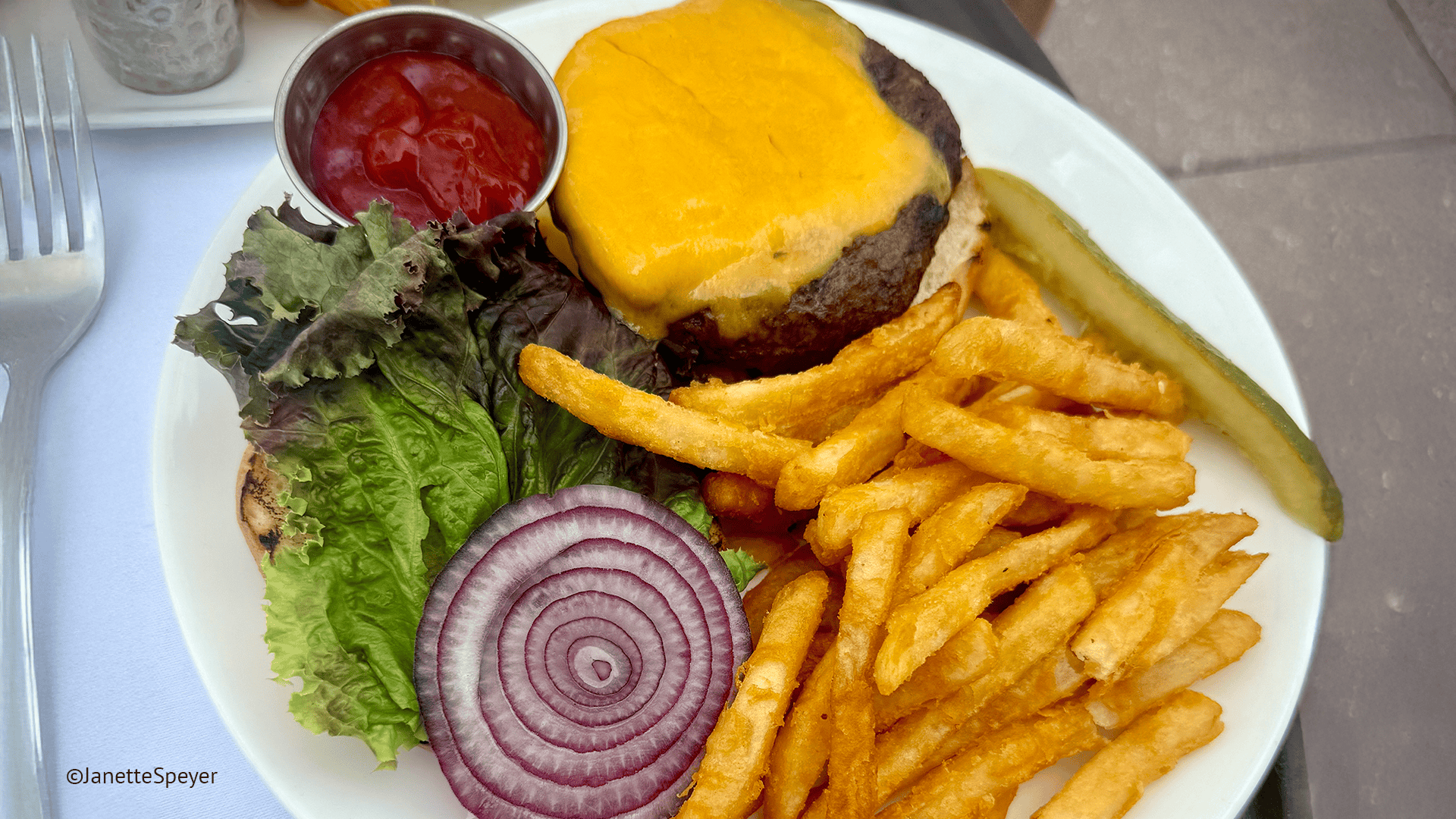
Ketchup is everywhere: on burgers, fries, and even scrambled eggs. Few condiments are as universally loved as this bright red sauce. Ketchup is a fixture in kitchens around the world. But the history of this tangy red sauce is far more exotic, with less tomato than you might expect. Long before the condiment got its tomato flavor, it was traded along ancient spice routes as a fish sauce. Ketchup’s journey is a fascinating tale of flavor, adaptation, and global taste.
*This post contains affiliate links. As an Amazon Associate, I may earn a commission at no cost to you. Learn more.*
Ketchup Without Tomatoes, A Saucy Start
It’s hard to believe that it started with a fish sauce. The word “ketchup” comes from the Hokkien Chinese word “kê-tsiap”, meaning “brine of pickled fish.” This sauce was popular in Southeast Asia for over 300 years. In the 17th century, traders introduced it to Europe, where English sailors developed a taste for its salty, umami-rich flavor. If you love experimenting with traditional sauces, a good fermentation kit helps recreate those ancient flavors at home.
Early versions had absolutely nothing to do with tomatoes. Instead, the sauce was made with ingredients like anchovies, mushrooms, walnuts, and even oysters. These early “ketchups” were thin, dark, and savory. Maybe closer to soy sauce or Worcestershire, rather than the sweet condiment we know today.
The Tomato Makes Its Entrance
Tomatoes didn’t join the ketchup story until the early 19th century. Cooks in the United States experimented with tomato-based recipes around 1812. Early versions used tomatoes, spices, and brandy. Spoilage was a major problem. Fresh tomatoes shouldn’t be kept without refrigeration.
By the mid-1800s, commercial bottlers found ways to preserve the sauce. They were producing tomato ketchup, but it still varied in consistency and flavor. Some were closer to spicy relishes rather than the smooth red sauce we squeeze out of our bottles today.
Homemade Heritage Tomato Ketchup
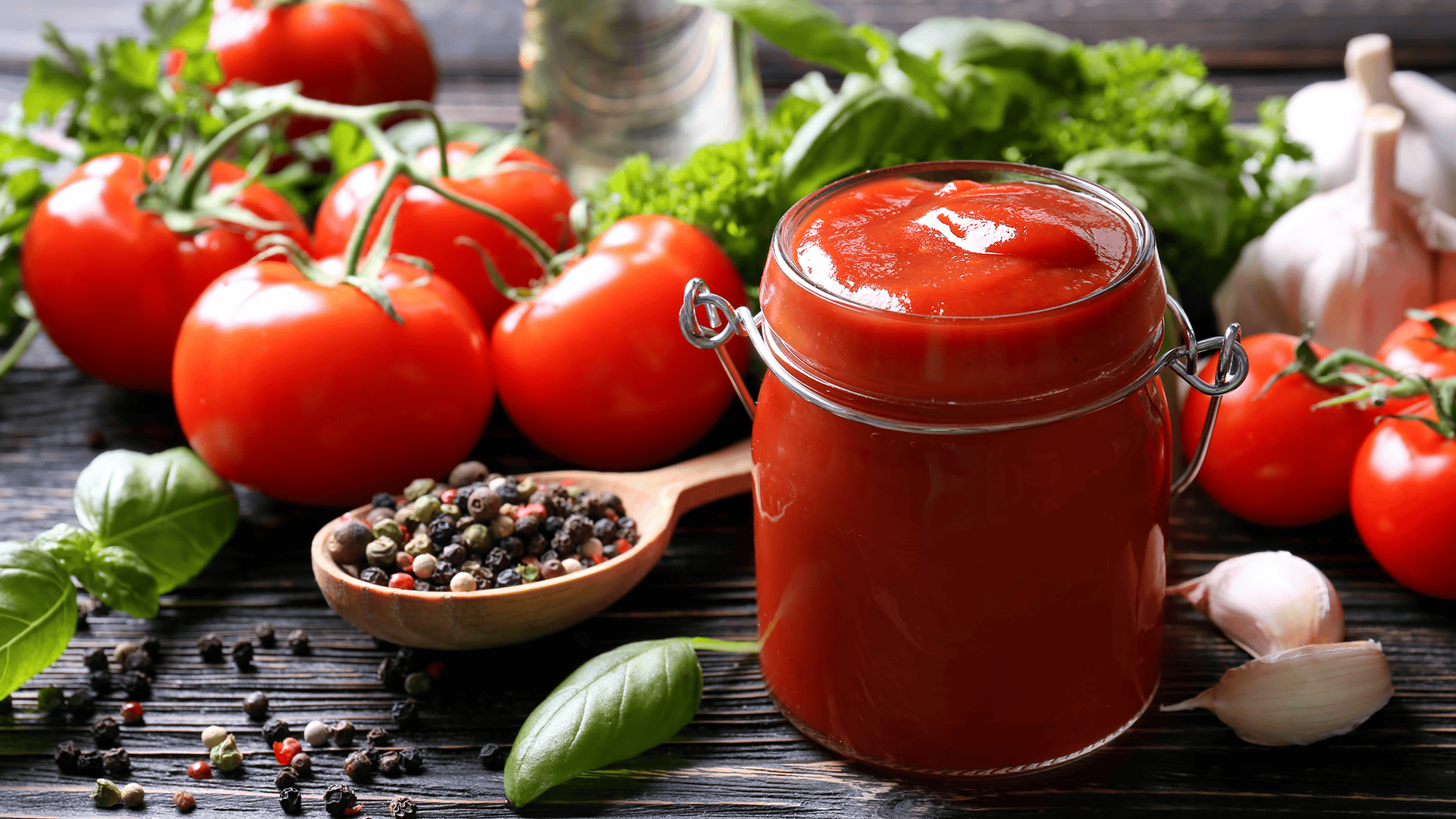
Here’s a modern adaptation of a 19th-century tomato ketchup. I always like to make my condiments at home for a more authentic flavor. This recipe has been modified for today’s kitchen, but remains true to its historical flavor. Spiced, tangy, and naturally rich without corn syrup or preservatives.
Ingredients
- 3 lbs ripe Roma tomatoes
- 1 medium onion, chopped
- 2 cloves garlic, minced
- ½ cup organic apple cider vinegar
- ⅓ cup brown sugar (adjust to taste)
- 1 tsp salt
- ½ tsp ground black pepper
- ½ tsp ground allspice
- ½ tsp ground cinnamon
- ½ tsp dry mustard
- ¼ tsp ground cloves
- ¼ tsp cayenne pepper (optional)
- 1 tbsp olive oil
Preparation
- In a large pot, heat olive oil over medium heat. Add onion and garlic; sauté until soft and fragrant, around 5 minutes.
- Roughly chop the tomatoes and add them to the pot. Stir, cover, and simmer for 30 minutes, until tomatoes are broken down and juicy.
- Use an immersion blender to purée until smooth.
- Press the purée through a fine mesh strainer or food mill to remove skins and seeds. Return the smooth sauce to the pot.
- Stir in vinegar, sugar, salt, and spices (you can use a Spice sampler pack with cinnamon, cloves, and allspice). Simmer uncovered over low heat for 45–60 minutes, stirring occasionally until thickened. The consistency should coat the back of a spoon.
- Cool slightly, then pour into clean glass jars or bottles. Refrigerate. It keeps for up to 1 month in the fridge, or freezer for longer storage.
Notes
This ketchup is brighter and spicier than store-bought one. Try it on burgers, fries, or as a base for homemade BBQ sauce.
The Heinz Takeover
In 1876, Henry John Heinz introduced his famous tomato ketchup. Heinz perfected a thick, shelf-stable version by using ripe tomatoes, sugar, vinegar, and a blend of spices.
His ketchup was popular for its flavor consistency and tangy-sweet balance. The new glass bottles were transparent, and consumers could see what they were buying. This genius invention helped build trust at a time when food adulteration was common.
By the 20th century, Heinz had transformed ketchup into a staple of American dining tables.
Ketchup’s Global Appeal
In diners, drive-thrus, and in the kitchen, ketchup is responsible for the rise of American fast food. But the condiment also took on a life of its own around the globe:
- In the Philippines, Banana ketchup was created during a World War II tomato shortage and is still beloved today.
- Surprisingly, in Japan, Spaghetti Napolitan, a pasta dish with ketchup-based sauce, is a comfort food classic.
- In Britain, Ketchup was initially a sauce made with mushrooms or walnuts before tomato-based versions became popular.
The Comfort Sauce
Such a simple sauce! But each squeeze holds a time capsule of history. Ketchup has certainly grown up from its humble “fish sauce” origins. Now this world traveler proudly sits beside almost every comfort food we enjoy today. Today, ketchup is comfort food and a reminder of nostalgia. It’s one of the few condiments that can spark both culinary debates (yes or no on eggs? steak?) and feelings of home. “Would you like ketchup with those fries?”
Still Intrigued By The Menu?
Subscribe to our newsletter for the freshest bites of food history, culture, and exclusive features.
Still hungry for history? You may also like these articles:



Let’s Connect
About Food Culture Bites

Food Culture Bites is a food history and culture website dedicated to exploring how food becomes identity. We tell the stories behind the dishes and traditions that shape past and present communities. Read more.>
Meet Janette Speyer

Behind every bite, there’s a story. Join me on a journey through history to explore how centuries of culture have shaped the way we eat. Read More >
Meet Bob Speyer

Bob Speyer is a writer and contributor to Food Culture Bites, bringing a lifetime of global experience, storytelling, and cultural insight to the publication. Having traveled to more than 60 countries, Bob writes with a deep appreciation for how history, food, and human connection intersect across cultures. Read More >