
Bugs, Bones, and Wood Pulp? What’s Really Hiding in Your Food Ingredients
We all read labels, but some food ingredients are either names you can’t pronounce or ones masquerading as something quite unexpected.
Welcome to the world of bait and switch in name-calling to make your food’s ingredients sound more “appetizing” or at least not off-putting.
So let’s pull back the curtain on some of the strangest and most interesting ingredients secretly shaping the foods we consume every day.
Red Bugs in Your Berry Yogurt!
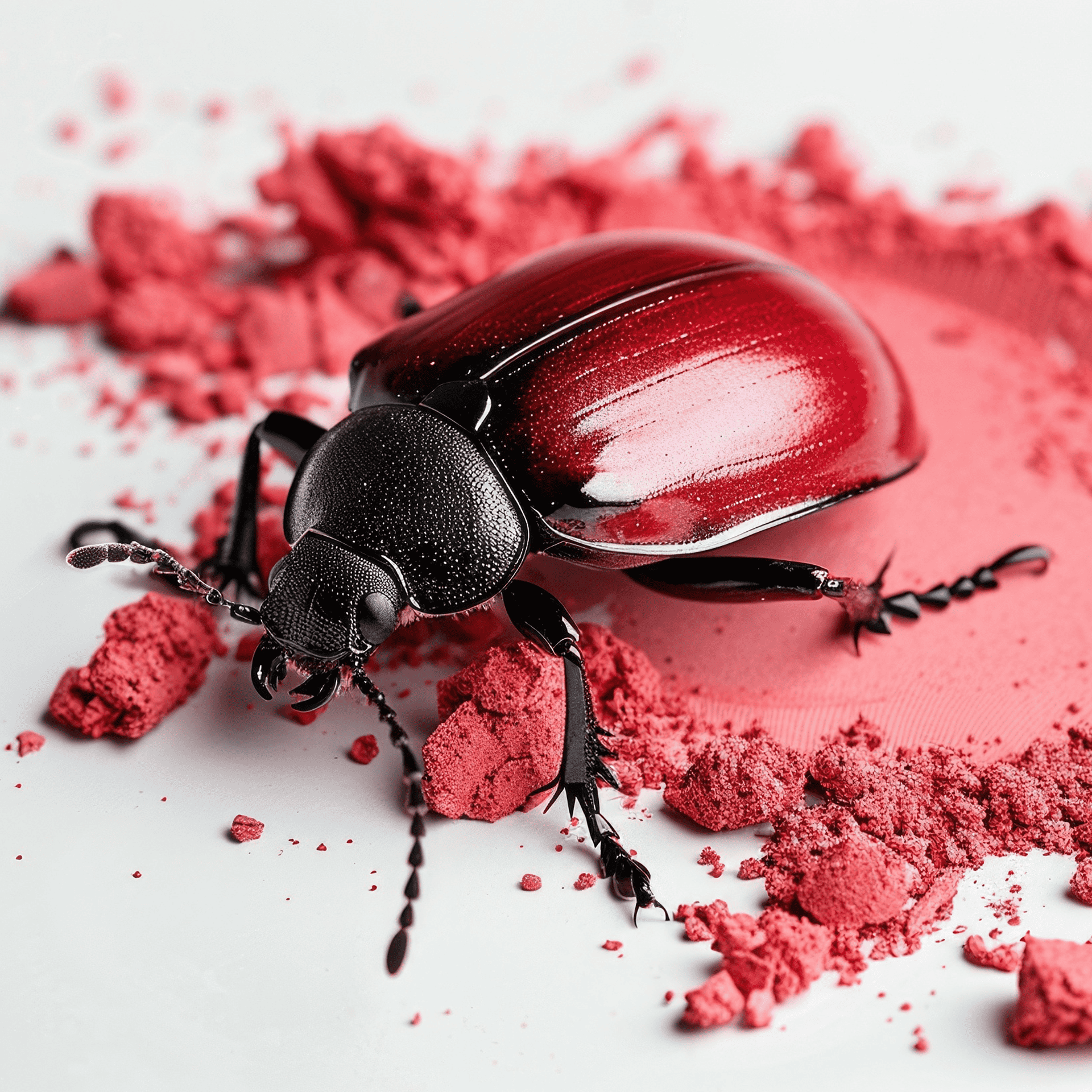
One of the most famous and “surprising” ingredients is cochineal extract, also known as carmine. It’s a vibrant red dye made from crushed cochineal insects, which live on cactus plants. Cochineal has been used for centuries, long before synthetic dyes existed. It’s prized because it’s natural, stable, and produces a rich red color that doesn’t fade easily.
You’ll find it in:
- Fruit yogurts and cereals (“Tricks” are for Kids)
- Candies and cakes (think red velvet cupcakes)
- Juices
- Some cosmetics (like lipstick)
- Vegans (caveat emptor)
*This post contains affiliate links. If you make a purchase through these links, I may earn a small commission at no additional cost to you. I earn from qualifying purchases. Thank you for supporting this site and helping me keep ancient food stories alive. Learn more.*
Bottoms Up: Fish Bladders in Beer and Wine
Ever heard of isinglass? It’s a substance derived from the dried swim bladders of fish and is commonly used in the production of beer and wine.
Its role isn’t flavor, it’s clarity. Isinglass helps remove impurities, making beverages look crisp and clean. This is why some beers and wines aren’t considered vegan.
Not Baaaad: Sheep Secretions in Chewing Gum
When people think of chewing gum, they don’t think of William Wrigley Jr., who built an empire on that chewy substance (who later owned the Chicago Cubs – hence Wrigley Field). That soft, chewy texture in gum and some candies often comes from lanolin, a waxy substance secreted by sheep to protect their wool. Lanolin is used as a softening agent and is also common in cosmetics like lip balm and lotion, which makes sense when you think about its moisturizing properties.
Crunch, Crunch: Bones in Your Sugar?
Refined white sugar is sometimes processed using bone char, which is made from charred animal bones. It’s used to filter and whiten sugar, not as an ingredient itself. However, not all sugar is processed this way, with beet sugar and organic sugar being exceptions.
Got Fiber? — Wood Pulp in Shredded Cheese
Ever wonder why there is a powdery coating on pre-shredded cheese? It often contains cellulose, a fiber derived from plant cell walls – commonly wood pulp. It’s used to keep the cheese from clumping. Before you panic, cellulose is completely safe and even adds a bit of dietary fiber. It’s also used in everything from ice cream to salad dressings as a thickener or stabilizer.
Do Bug Me: Candy’s Shiny Secret
Candy certainly has that shiny look and feel, which makes it all the more appetizing. That glossy finish on candies and pills often comes from shellac, a resin secreted by the lac bug. It acts like a natural glaze, giving sweets that appealing shine. You’ll find it in:
- Jelly beans
- Chocolate-coated candies
- Some pharmaceutical coatings
Why Do These Ingredients Exist?
Most of these unusual ingredients serve very practical purposes and, for the most part, are harmless (except for food allergies). They are used for:
- Color stability (like cochineal)
- Texture improvement (like lanolin or cellulose)
- Visual appeal (like shellac)
- Purification (like isinglass or bone char)
You see, in today’s mass food production, consistency, shelf life, and aesthetics, so these ingredients help achieve that.
Should You Be Concerned?
For the average person, these ingredients are safe and regulated. The bigger question often comes down to personal preference, dietary restrictions, or ethical choices.
If you want to avoid them:
- Look for labels like vegan, plant-based, or organic
- Check ingredient lists for terms like carmine, shellac, or isinglass
- Choose minimally processed foods when possible
Don’t Bug Me: Final Tidbits
Food is more complex than it appears on the surface. What might seem strange at first often has a long history or a very practical purpose. Whether you find these ingredients fascinating or off-putting, one thing is certain: they make eating a lot more interesting than we tend to realize.
Explore more in our Food Spotlights or subscribe to our newsletter for weekly stories and recipes inspired by history. Taste the rest of the story.
Selected Sources and Further Reading
- FDA — Color Additives and Carmine/Cochineal Extract
- Encyclopedia Britannica — Isinglass
- National Geographic — How Ultra-Processed Foods Harm The Body
Note to my readers:
My research draws on travel experiences, books, and, sometimes, AI tools. I love using my own photos whenever possible, but occasionally I include stock or AI-generated images to help illustrate the story.
Still Intrigued By The Menu?
Subscribe to our newsletter for the freshest bites of food history, culture, and exclusive features.
Still hungry for history? You may also like these articles:



Let’s Connect
About Food Culture Bites
Food Culture Bites is a food history and culture website dedicated to exploring how food becomes identity. We tell the stories behind the dishes and traditions that shape past and present communities. Read more.>
Meet Janette Speyer

Behind every bite, there’s a story. Join me on a journey through history to explore how centuries of culture have shaped the way we eat. Read More >
Meet Bob Speyer

Bob Speyer is a writer and contributor to Food Culture Bites, bringing a lifetime of global experience, storytelling, and cultural insight to the publication. Having traveled to more than 60 countries, Bob writes with a deep appreciation for how history, food, and human connection intersect across cultures. Read More >