Why Do We Celebrate with Sweets?
Why do we celebrate with sweets? Discover the intriguing history and cultural meaning behind sugar, from Mexican sugar skulls and Chinese tang yuan to Indian mithai, baklava, and Japanese wagashi.


Why do we celebrate with sweets? Discover the intriguing history and cultural meaning behind sugar, from Mexican sugar skulls and Chinese tang yuan to Indian mithai, baklava, and Japanese wagashi.
There was a time when peasant food like polenta, oats, or offal wasn't trendy. Today? That polenta is served with black truffles, heirloom beans are a gourmet ingredient, and bone marrow is served on tiny pieces of toast. Let's go on a journey through poverty, migration, tradition, and a wee bit of culinary snobbery.
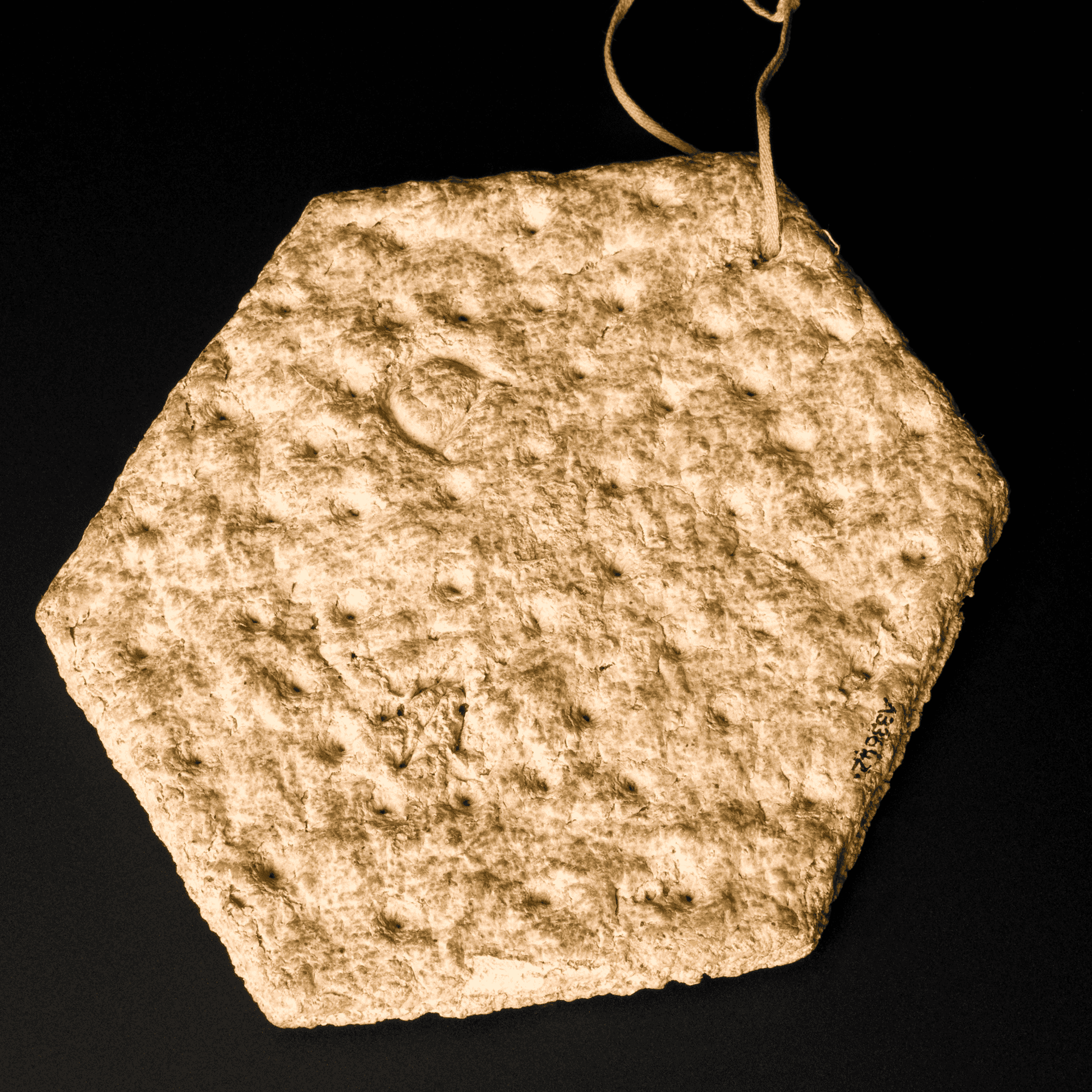
What did pirates really eat? Not a Hollywood feasts. Life at sea meant hardtack, salted meat, and whatever fresh food a crew could catch, trade for, or steal. Archaeology from Blackbeard’s ship reveals surprising clues about the real pirate pantry.
Corn is so much more than the yellow kernels we know. Indigenous peoples domesticated maize, shaped thousands of varieties, and transformed it into countless international foods. Follow corn’s extraordinary journey across cultures.
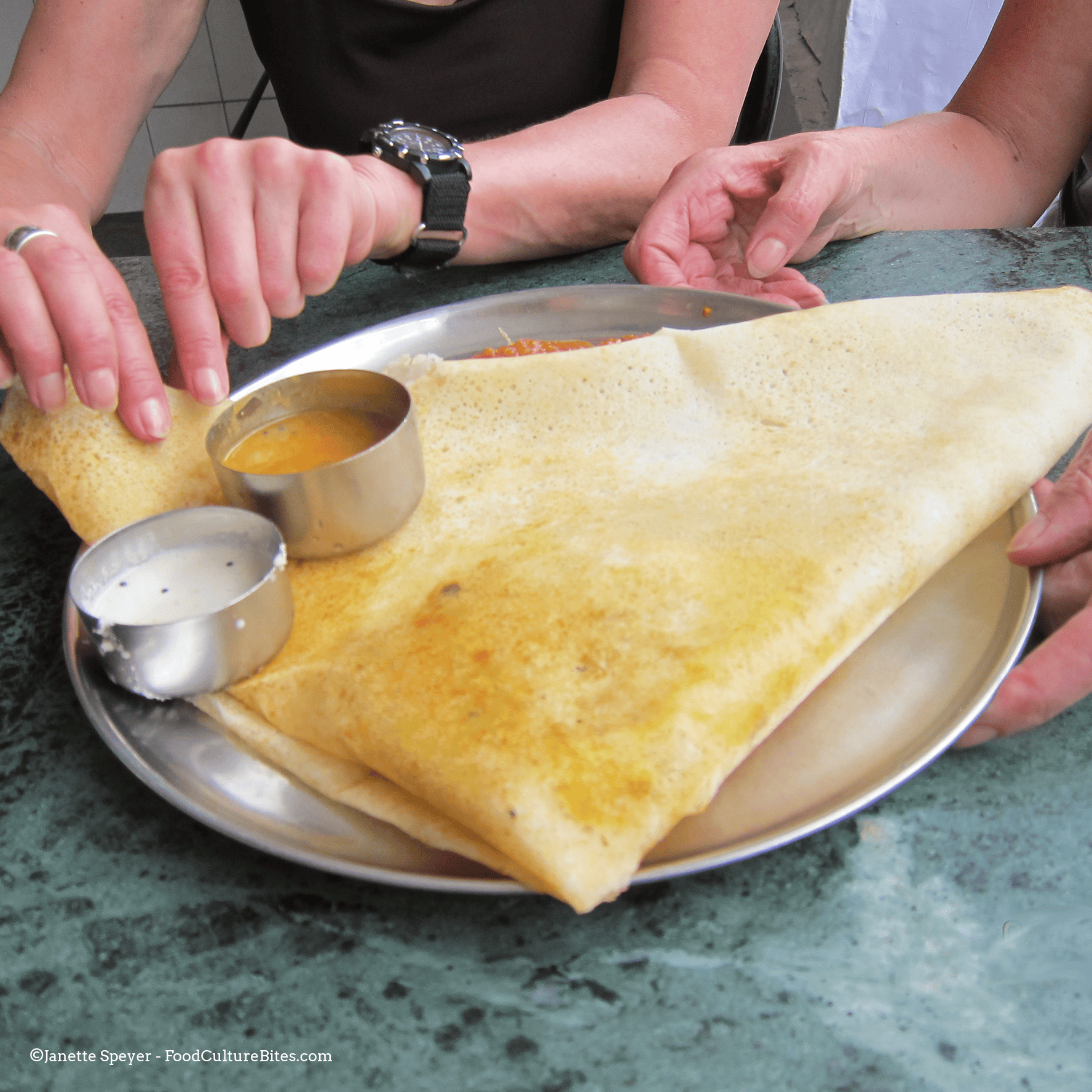
What's on the menu? Take a closer look at a list of dishes and you'll find a map of food migration. Discover the surprising journeys hiding in the foods we think we know.
Breakfast is the most important meal of the day. Who decided that? For centuries, people skipped it or delayed it. How and when did breakfast become something we were told we absolutely needed?
Health Food has a 200-year history, from Sylvester Graham and the graham cracker to organic foods and today’s wellness trends.
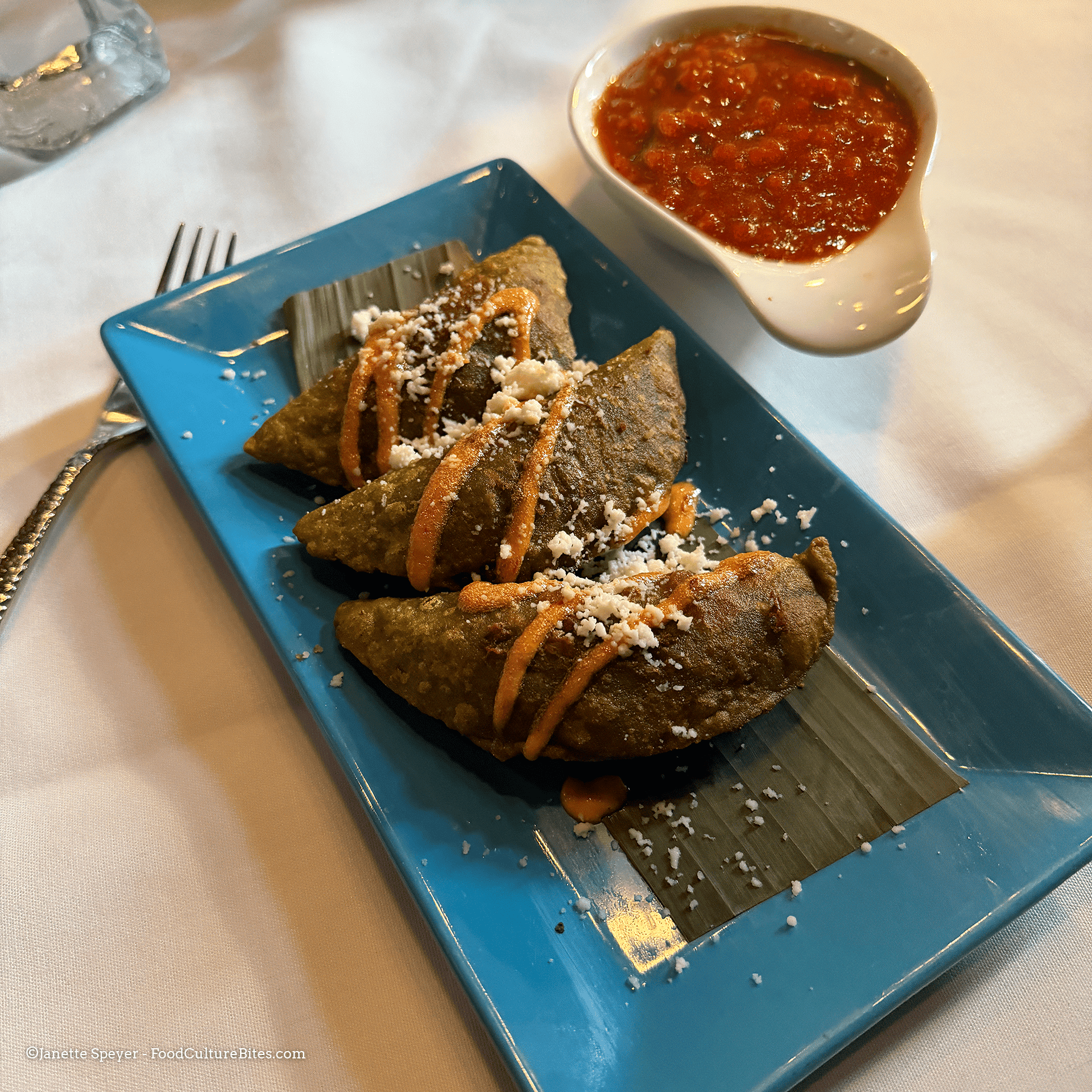
Empanada, samosa, börek, pasty: four cultures independently invented the same brilliant idea. Here's how dough-wrapped meals conquered the world, one continent at a time.
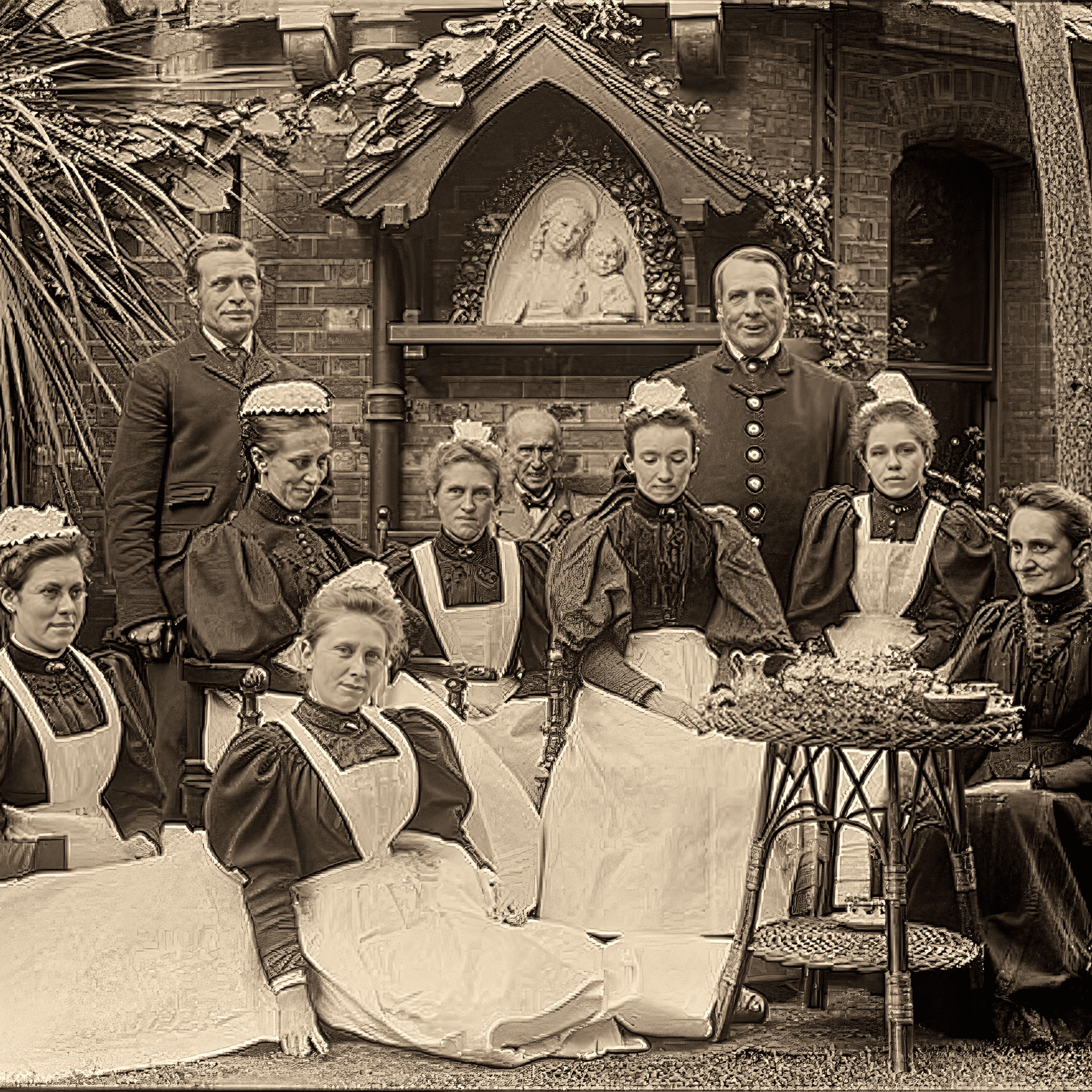
At an 1880s Fifth Avenue dinner, opulence was served upstairs while exhaustion reigned downstairs. Meet the chefs, scullery maids, and forgotten workers who ran a Gilded Age kitchen.
Who invented ceviche? It wasn't the Spanish. Limes weren't even part of the original recipe. This ancient dish is over 2,000 years old. It takes us from Moche fishermen to Inca kitchens and Japanese-Peruvian chefs.